Why your energy feels unstable after 30 (and how to restore balance)
Daily fatigue patterns that quietly affect immunity, recovery, and focus
You’re not just tired.
Your energy is shifting.
Something in your system changed.
You wake up after 7–8 hours of sleep, but your body feels heavy, slow, unfinished. By mid-morning, you need stimulation to feel alert. In the afternoon, your focus drops again. In the evening, your mind becomes active—but your body is tired.
This is not about being tired. This is about unstable energy.
And most people don’t realize what’s actually causing it.
What this usually looks like
- energy drops at the same time every day
- mornings feel slow, evenings feel wired
- rest doesn’t fully restore you
Your energy isn’t simply low—it is misaligned across systems. After 30, the body becomes less tolerant of small inefficiencies. What once went unnoticed now appears as daily fatigue patterns. A deeper understanding of this shift is outlined in what your body is trying to tell you, where fatigue is viewed as a structured signal rather than a random state.
Energy problems are rarely about sleep alone.
Your body is not low on energy. It’s losing it in the process.
Interpretation of body signals
Fatigue reflects how efficiently your body produces and distributes energy. At the cellular level, energy depends on oxygen, nutrients, and hormonal timing. When one element shifts, the system compensates—but compensation creates predictable patterns.
- Morning heaviness → delayed activation of alertness hormones
- Afternoon dip → unstable metabolic regulation
- Evening alertness → stress-driven hormonal imbalance
You may notice that your energy follows the same rhythm every day—even when your routine changes. When these patterns intensify, they often indicate deeper imbalance, as explored in fatigue that signals a deeper issue.
Fatigue is often a timing issue, not a capacity issue.
Consistency in fatigue often means inconsistency in regulation.
This isn’t a lack of discipline. It’s a loss of regulation.
Metabolic system: why energy drops during the day
Your brain requires a steady glucose supply. When meals trigger spikes followed by drops, your energy becomes unstable.
What this feels like in real life:
- you feel focused after eating → then suddenly foggy
- you crave coffee or sugar at the same time each day
- your energy drops even when you ate “enough”
This happens because insulin lowers blood glucose rapidly. When levels fall too far, the brain reduces output, resulting in fatigue and reduced clarity.
Subtle signs your metabolic rhythm is off
- you feel worse after meals instead of better
- your focus fades mid-task without clear reason
- you rely on stimulation to regain energy
This is why your energy drops at similar times every day. The mechanism is explained in what causes your daily energy crash after lunch.
This is why energy feels unpredictable.
Hormonal system: cortisol and daily timing
Cortisol regulates your daily energy rhythm. It should rise in the morning and decline gradually. Chronic stress disrupts this timing.
What this feels like:
- you wake up tired instead of alert
- your mind becomes active late at night
- you wake at the same time during the night
This is not random waking. It reflects misaligned biological timing. The pattern is detailed in why you wake at 3am and can’t fall back asleep.
This is why rest alone doesn’t fix fatigue.
Sleep system: when rest doesn’t restore
Sleep duration does not guarantee recovery. If deep sleep phases are reduced, the body does not fully repair.
What this feels like:
- you sleep enough but wake unrefreshed
- your body feels heavy in the morning
- you need time to “become functional”
Subtle signs your recovery is incomplete
- weekends don’t fully restore your energy
- you feel alert, but not energized
- you can function, but not perform
This creates a loop where fatigue worsens sleep, and poor sleep deepens fatigue. This pattern is explained in why you still feel exhausted after a full night of sleep.
What people expect vs what actually happens
- you think you need more rest → your system needs better timing
- you assume low energy → the issue is instability
- you try to push through → your body slows down further
This is where most people get it wrong.
Immune and inflammatory system: silent energy drain
Your immune system consumes energy continuously. Under ongoing stress, it shifts into a low-level inflammatory state.
What this feels like:
- persistent low energy without clear cause
- slower recovery after effort
- reduced motivation for routine tasks
Subtle signs your body is under hidden load
- you feel drained even on “easy” days
- your energy never feels fully restored
- small stressors feel more exhausting than before
This is not visible illness—it is background energy consumption. This mechanism is explained in why your energy feels low for no clear reason.
Oxygen and micronutrients: hidden limitations
Energy production depends on oxygen transport and micronutrients. Even small deficiencies reduce efficiency.
What this feels like:
- physical fatigue without heavy exertion
- lower endurance in everyday activities
- reduced mental sharpness
Subtle signs your reserves are low
- you tire faster than before
- your performance varies day to day
- you feel “functional but not strong”
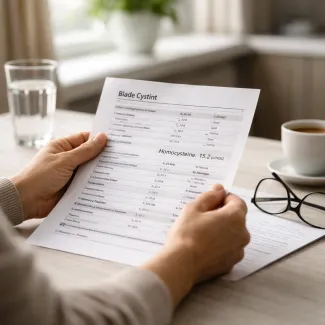
Iron plays a key role here. Low ferritin can limit oxygen delivery even when standard markers appear normal. This is explained in why you feel tired even with normal blood results.
Thyroid system: slowed energy output
The thyroid regulates metabolic pace. Under stress, the body may slow energy use as a protective mechanism.
What this feels like:
- consistently low energy instead of fluctuations
- reduced drive and slower thinking
- difficulty sustaining effort
Subtle recognition patterns
- you feel slower, but not ill
- you function, but without momentum
- everything feels slightly harder than it should
This state often goes unnoticed because basic markers remain within range. The mechanism is explained in why your metabolism slows down under stress.
How these systems connect
At some point, it stops feeling random.
You begin to notice the same pattern repeating every day.
Your energy is not random—it is structured.
A glucose crash can trigger cortisol. Poor sleep can increase inflammation. Stress can slow metabolic processes. Each system influences the others.
This is why everything can look normal on paper, yet feel off in daily life.
How daily habits restore balance
Daily habits do not create energy—they remove interference:
- stable meals reduce metabolic stress
- consistent sleep timing restores hormonal rhythm
- recovery periods lower inflammatory load
Small adjustments create compounding effects. The body shifts from compensation to efficiency.
It can feel confusing when rest doesn’t help. Many people stay in this cycle for years without recognizing the pattern.
Stable energy is not about doing more. It’s about losing less.
Energy is not something you chase. It’s something your body allows when everything aligns.
FAQ questionWhy does my energy drop at the same time every afternoon, even if I eat regularly?
In everyday life, people often notice that energy dips follow a consistent pattern rather than random timing. This is commonly linked to how the body responds to meals and daily rhythm signals. After eating, blood sugar can rise and then fall, which may lead to a noticeable drop in focus or motivation. Over time, these patterns tend to repeat at similar hours, especially when routines stay unchanged.
Editor’s insight: In practice, it’s often observed that predictable fatigue points reveal more about timing than about overall energy levels.
FAQ questionIs it normal to feel tired even after 7–8 hours of sleep in your 30s?
Many people report that sleep duration alone no longer guarantees a refreshed feeling. In this context, people usually notice that they wake up mentally slower or physically heavy despite sufficient time in bed. This is often connected to how sleep cycles are structured, rather than how long they last. Over time, subtle disruptions in sleep depth can influence how restored the body feels in the morning.
Editor’s insight: Many first notice that rest feels “incomplete,” not shorter, which points more to quality than quantity.
FAQ questionWhat if my blood tests look normal but I still feel low on energy?
It is quite common for people to feel a mismatch between test results and daily experience. In such situations, fatigue is often associated with how efficiently the body uses available resources, not just whether levels fall within reference ranges. Over time, people may notice reduced endurance or mental sharpness even when results appear normal.
Editor’s insight: From a daily-life perspective, it’s interesting how “normal” results don’t always reflect how energy is actually felt.
FAQ questionCan stress really affect energy even when I don’t feel stressed?
Yes, this is often observed in subtle ways. People don’t always experience stress as a clear emotional state, but rather as changes in energy timing, sleep patterns, or mental clarity. In this context, the body may remain in a more alert mode than expected, which can influence how energy is distributed throughout the day. Over time, this may show up as feeling tired but unable to fully relax.
Editor’s insight: It’s common to see that stress is first noticed through energy shifts, not through conscious tension.
FAQ questionWhy do I feel more awake at night but tired in the morning?
This pattern is frequently linked to shifts in the body’s internal timing signals. People often notice that their mind becomes more active in the evening, even when physical energy is low. This is commonly associated with changes in daily rhythm regulation, where alertness signals appear later than expected. Over time, this can create a cycle where mornings feel slow and evenings feel overstimulated.
Editor’s insight: Many people recognize this pattern only after it repeats for weeks, not as a one-time occurrence.
FAQ questionIn modern routines with coffee and irregular meals, can daily habits really affect energy that much?
In many environments, especially where coffee intake and irregular eating patterns are common, people often notice that energy becomes less stable throughout the day. These habits are frequently associated with shifts in metabolic and hormonal signals, which can influence how energy rises and falls. Over time, small inconsistencies in routine may become more noticeable in how the body responds.
Editor’s insight: From a practical perspective, it’s often the accumulation of small habits—not single factors—that shapes how energy feels each day.