Iron Stores, Cellular Energy and the Early Phase Before Anemia
A Reference Guide to Low Ferritin with Normal Hemoglobin
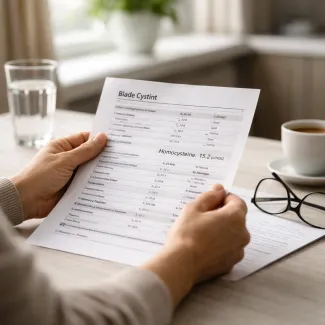
Fatigue with normal hemoglobin often leads to reassurance that “iron is fine.” Yet hemoglobin reflects oxygen transport, not iron reserves. Ferritin reflects stored iron. When ferritin declines, the body’s reserve capacity narrows before anemia develops. Understanding that early phase clarifies why energy may drop even when red blood cell values remain within range. Broader nutrient interactions are discussed in Vitamin D, Iron and B12 When Energy Slumps in Your 30s, while overlapping neurological symptoms are explained in Low Vitamin B12 on Blood Tests: Fatigue, Brain Fog and Tingling Explained.
This guide integrates physiology, laboratory interpretation, sex differences, inflammation dynamics, and symptom variability.
The Iron Pathway: Intake → Storage → Utilization
Iron metabolism follows a structured sequence:
- Absorption (primarily in the duodenum).
- Transport via transferrin in the bloodstream.
- Storage in ferritin within liver, spleen, and bone marrow.
- Utilization for hemoglobin synthesis and mitochondrial enzymes.
When intake or absorption decreases — or losses increase — ferritin falls first. The body protects hemoglobin production until reserves are insufficient. That delay creates a clinically important window where symptoms emerge before anemia appears.
Laboratory Interpretation: A Structured Framework
Ferritin Threshold Patterns
Although reference ranges differ, clinical interpretation frequently considers:
- <15–20 ng/mL → iron deficiency confirmed
- 20–30 ng/mL → commonly symptomatic in menstruating women
- 30–50 ng/mL → variable tolerance; context-dependent
- 50–100 ng/mL → usually adequate if inflammation absent
- >100 ng/mL → deficiency unlikely unless inflammatory masking exists
Ferritin must never be interpreted alone.
Companion Markers
- Hemoglobin
- Transferrin saturation
- Serum iron
- Total iron-binding capacity
- C-reactive protein (CRP)
CRP is essential because ferritin is an acute-phase protein. In inflammatory states, ferritin can appear normal or elevated while usable iron is restricted.
Absolute vs Functional Iron Deficiency
Absolute deficiency
- Ferritin low
- Storage depleted
- Often due to blood loss or insufficient intake
Functional deficiency
- Ferritin normal or mildly elevated
- Iron trapped in storage
- Driven by elevated hepcidin
- Reduced availability for erythropoiesis and mitochondria
Hepcidin, produced by the liver, blocks iron export from cells during inflammation. This protective mechanism limits microbial access to iron but also reduces energy production capacity.
Why Energy Declines Before Anemia
Iron is a cofactor in mitochondrial oxidative phosphorylation. Without sufficient intracellular iron:
- Electron transport chain efficiency declines
- ATP synthesis decreases
- Dopamine production may fall
- Thyroid hormone activation may weaken
- Muscle oxygen extraction becomes less efficient
The body responds by conserving energy. Hemoglobin remains normal, but perceived vitality drops.
Early symptom patterns often include:
- Reduced endurance
- Increased effort for routine tasks
- Cognitive slowing under stress
- Cold sensitivity
- Subtle tachycardia during exertion
- Hair shedding
These changes reflect metabolic adaptation rather than structural failure.
Sex Differences and Life Stage Considerations
Women of reproductive age frequently present with ferritin depletion without anemia due to cumulative menstrual losses.
Key modifying factors:
- Cycle length and bleeding volume
- Postpartum iron depletion
- Perimenopausal irregular bleeding
- Vegetarian or low-heme diets
- Endurance training
After menopause, iron deficiency becomes less common, and alternative causes of fatigue warrant closer evaluation.
Variability of Symptoms at Similar Ferritin Levels
Two individuals with ferritin of 28 ng/mL may experience different symptom burdens.
Symptom variability depends on:
- Baseline metabolic demand
- Physical training level
- Hormonal status
- Thyroid function
- Inflammatory load
- Neurotransmitter sensitivity
Ferritin reflects reserve quantity, not immediate functional capacity. Individual thresholds vary.
Time Course: How Long Before Hemoglobin Changes?
Iron depletion can evolve over months.
Sequence:
- Storage declines (ferritin falls).
- Transport efficiency weakens (lower transferrin saturation).
- Red blood cell production slows.
- Hemoglobin decreases.
Because red blood cells circulate for approximately 120 days, hemoglobin may remain stable despite ongoing reserve loss.
Inflammation and the Ferritin Paradox
When CRP is elevated:
- Ferritin may rise artificially.
- Hepcidin increases.
- Iron becomes sequestered.
- Transferrin saturation falls.
This pattern can produce fatigue despite “normal” ferritin values. Interpretation requires inflammatory context.
Practical Clinical Reading Model
When reviewing results:
- Evaluate ferritin relative to symptoms.
- Compare with hemoglobin stability.
- Review transferrin saturation.
- Check CRP.
- Consider menstrual, dietary, and training history.
Laboratory reference ranges define statistical norms. Functional well-being may require higher reserves for certain individuals.
When Iron Supplementation Is Considered
If deficiency is confirmed and no contraindications exist, formulation matters. Differences between ferrous sulfate, bisglycinate, and other preparations are detailed in Iron supplements for anemia — best types & benefits explained.
Monitoring is essential. Ferritin should be reassessed after an appropriate interval, guided by clinical supervision.
When Further Evaluation Is Required
Medical assessment is warranted if:
- Ferritin declines progressively
- Hemoglobin falls
- Gastrointestinal symptoms appear
- There is unexplained blood loss
- Fatigue persists despite corrected levels
Iron deficiency may reflect chronic bleeding, malabsorption, or inflammatory disease. Identification of the source is as important as correction.
Integrated Energy Physiology
Energy is a composite outcome of:
- Oxygen delivery
- Mitochondrial efficiency
- Hormonal signaling
- Neurotransmitter balance
- Micronutrient sufficiency
Low ferritin with normal hemoglobin represents a reduced reserve state within this system. It signals narrowing buffer capacity rather than established anemia.
Understanding this stage transforms laboratory data from reassurance into orientation. It clarifies why symptoms can precede abnormal hemoglobin and provides a structured pathway for evaluation and correction.
FAQ questionCan I really feel iron-related fatigue if my hemoglobin is still normal?
Yes, that situation is more common than many people expect. Hemoglobin reflects how well oxygen is being transported in the bloodstream, but ferritin reflects stored iron. When ferritin drops, the body’s reserve capacity narrows even though oxygen delivery may still appear normal on paper. In everyday life, people often notice lower stamina, more effort required for routine tasks, or a subtle dip in resilience before any lab result flags anemia.
FAQ questionWhat ferritin level is considered “too low” for feeling well, not just for avoiding anemia?
Reference ranges show population averages, not necessarily functional comfort. It is often mentioned that ferritin below 20–30 ng/mL is strongly associated with iron depletion. In that context, people frequently report symptoms even if their hemoglobin sits comfortably within range. Between 30 and 50 ng/mL, experiences vary. Some feel stable; others notice changes in energy, especially if they are physically active or menstruating.
FAQ questionIf I exercise regularly and eat well, why would my ferritin still drop?
Even with a balanced diet, iron balance depends on absorption, losses, and individual demand. In physically active individuals, iron turnover can increase. In menstruating women, monthly losses accumulate over time. In such contexts, people usually notice gradual changes rather than sudden fatigue.
Editor’s note: In practice, it’s interesting how often people describe a slow “baseline shift” in energy rather than a dramatic crash. That pattern frequently aligns with falling ferritin rather than abrupt anemia.
FAQ questionWhat if my ferritin looks normal, but I still feel drained?
Ferritin can rise during inflammation because it acts as an acute-phase protein. In that scenario, iron may be less available for use even if storage values look acceptable. This is sometimes referred to as functional iron restriction. When CRP or other inflammatory markers are elevated, interpretation becomes more nuanced. It is common in such cases to review the full panel — ferritin, transferrin saturation, and inflammatory markers together.
FAQ questionIs it possible that low B12 or vitamin D is the real issue instead of iron?
Yes, fatigue rarely has a single explanation. Low B12 is often associated with cognitive fog or tingling sensations, while vitamin D shifts are frequently linked with overall low vitality. In everyday clinical discussions, it makes sense to view ferritin as part of a broader micronutrient picture rather than an isolated number. Over time, people may notice overlapping symptoms that point toward more than one contributing factor.
FAQ questionI follow a mostly plant-based diet. Should I be more concerned about ferritin levels?
Plant-based diets can be nutritionally balanced, but non-heme iron is absorbed differently from heme iron found in animal sources. In such dietary patterns, iron status often depends more heavily on absorption efficiency and meal composition. In everyday life, it can be helpful to stay aware of long-term trends rather than focusing on a single lab result.
Practical reflection: From an editorial perspective, it’s noticeable how frequently plant-based eaters describe stable hemoglobin alongside gradually declining ferritin. The pattern tends to unfold quietly rather than dramatically.
FAQ questionDoes low ferritin affect mood or mental clarity?
Iron plays a role in neurotransmitter pathways, including dopamine metabolism. When ferritin drops, some individuals report lower motivation, slower mental processing under stress, or reduced drive. These changes are often subtle and may be attributed to lifestyle factors. Over time, a clearer pattern can emerge when laboratory values are reviewed alongside lived experience.
FAQ questionIf I correct low ferritin, will my energy automatically return?
Energy reflects multiple systems working together: oxygen transport, mitochondrial function, hormone signaling, and overall nutrient balance. When ferritin improves, many people report gradual stabilization of stamina, but outcomes vary. It is often helpful to think in terms of restoring reserve capacity rather than expecting a single-number explanation for all fatigue.